C0040 Code: Right Front Wheel Speed Sensor — Causes & Fix
 Drashco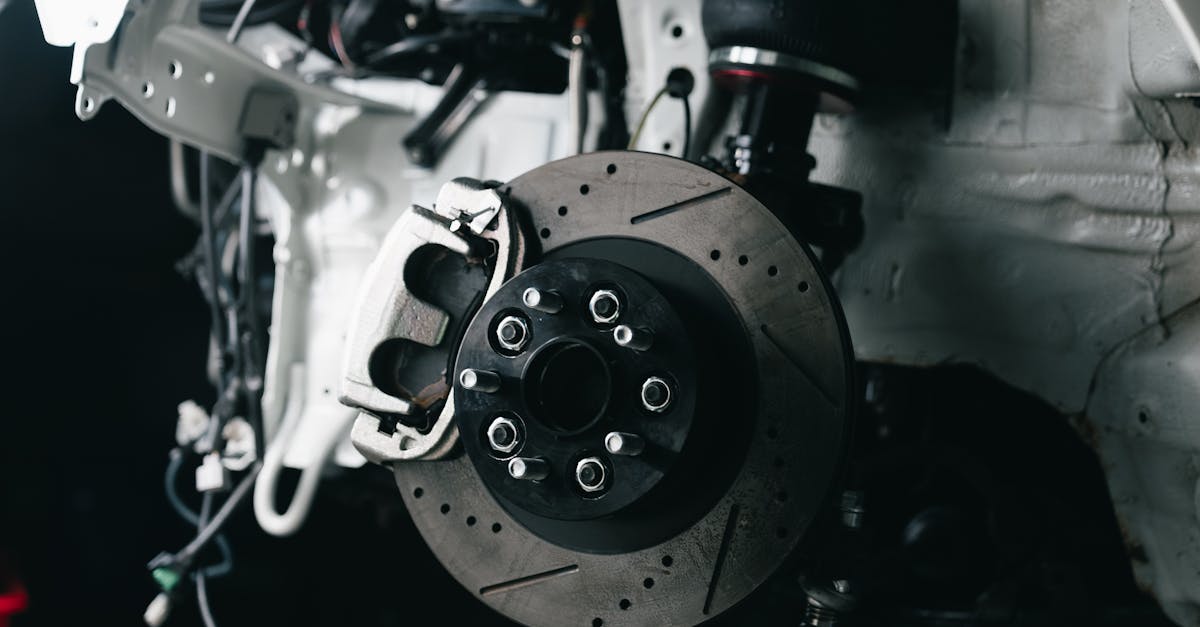
C0040 means: Right Front Wheel Speed Sensor Circuit — the EBCM lost signal from the front-right wheel speed sensor.
Most common fix: 70% of cases are resolved by replacing the wheel-speed sensor itself ($25–$80 part). Time: 30 minutes.
Affects: All GM vehicles, most Ford trucks, some Nissan and Subaru models.
C0040 is the right-side counterpart to C0035. Same fault mechanism, same fix, just on the opposite wheel. The right-front sensor often fails before the left because it's on the passenger side where road debris (tossed up by oncoming traffic) hits it more often. This guide walks through the diagnosis and replacement.
In this guide:
What C0040 Means
C0040 reads as "Right Front Wheel Speed Sensor Circuit". The EBCM (Electronic Brake Control Module) expected a clean square-wave signal from the front-right wheel sensor and got nothing, an erratic signal, or a signal outside the expected range.
The sensor is mounted near the wheel hub with a tone ring on the rotating axle. As the wheel turns, tone-ring teeth pass the sensor and generate AC voltage pulses (passive sensor) or digital square waves (active sensor) that the EBCM converts to wheel speed.
This is the same code family as C0035 (front-left), C0045 (rear-left), C0050 (rear-right), and the broader C0561 chassis disable.
Symptoms
- ABS warning light on solid
- Traction Control / StabiliTrak light on
- "Service Brake System" or "Service ABS" message on the DIC
- Speedometer may read 0 or jump erratically (some models)
- Cruise control will not engage
- Sometimes harsh shifting on automatics that use wheel speed for shift logic
- Engine runs normally
Causes Ranked by Frequency
1. Wheel-speed sensor failure — 70% of cases
Internal coil break from heat cycling and salt corrosion. Right-front sensor exposed to road debris from oncoming traffic. Code is permanent, doesn't come and go.
2. Damaged sensor wiring — 15% of cases
Pigtail from sensor to chassis connector. Vibration, brake heat, road debris damage insulation. Code is intermittent, weather-related.
3. Tone ring damage — 10% of cases
Tone ring on axle hub chips from rocks, rust, or improper wheel-bearing replacement. Missing teeth = missing pulses. Symptom: code only at low speed.
4. EBCM internal fault — 5% of cases
Rare. Past 200,000 miles or after water intrusion. Confirm sensor + wiring + tone ring before suspecting EBCM.
Step-by-Step Diagnosis
- Lift the vehicle and remove the front-right wheel.
- Inspect the sensor mounted near the brake caliper bracket. Two-wire (passive) or three-wire (active) connector with single bolt (10mm or 13mm).
- Check the wiring from sensor pigtail up to chassis connector. Look for chafing, corrosion, melted insulation.
- Inspect the tone ring on the axle hub — all teeth intact, no rust pitting deep enough to skip teeth.
- Measure sensor resistance (passive sensors only). 1,000–2,500 ohms across the two pins. Open circuit = dead sensor.
- Voltage check with multimeter on AC range (passive). Spin the wheel by hand — sensor should generate 0.1–1V AC. Active sensors need scope.
- Check chassis connector for green corrosion. Clean with contact cleaner, apply dielectric grease.
- Cross-test: swap with the front-left sensor (assuming same part). If code follows the sensor, sensor is bad. If code stays at right-front, wiring or tone ring.
Replacing the Sensor
- Disconnect negative battery, wait 60 seconds.
- Lift vehicle, remove front-right wheel.
- Remove sensor mounting bolt (typically 10mm).
- Twist the sensor while pulling — penetrating oil if stuck.
- Trace the wiring back to chassis connector. Unplug.
- Install new sensor with anti-seize on the mounting hole. Route wiring identical to old.
- Plug into chassis connector.
- Reconnect battery. Clear codes with OBD-II scanner.
- Drive 20 minutes mixed. EBCM relearns; lights should stay off.
Cost: $25–$80 for the sensor. Labor at a shop: $100–$180. DIY: 30 minutes.
Frequently Asked Questions
Why does the right-front sensor fail more than the left?
Road debris from oncoming traffic hits the passenger side of your car. On left-hand-drive markets (US, EU, most of Asia), that's the right wheel. Stones, road salt, and water spray attack the right-front sensor harder.
Can I drive with C0040 active?
Yes at normal speeds, short distances. Base brakes work. You lose ABS, traction control, StabiliTrak. Avoid ice and heavy rain until fixed.
What's the difference between C0040 and C0050?
C0040 = Right Front Wheel Speed Sensor. C0050 = Right Rear Wheel Speed Sensor. Same fault mechanism, different wheel. Right-rear is less common because it's shielded by the body.
Will swapping a known-good sensor diagnose this?
Yes — best quick test. Swap front-left and front-right sensors. If code follows the sensor, sensor confirmed bad. If code stays at right-front, wiring or tone ring.
How do I know if my sensor is "active" or "passive"?
Passive = 2 wires, AC voltage as wheel spins. Active = 3 wires (powered), digital square wave. Modern (2008+) GM, Ford, most Europeans = active. Older = passive. Resistance test only works on passive.
My code is C0040 but I also see C0035 and C0045 — what's going on?
Multiple wheel-speed codes simultaneously usually means a deeper electrical issue: weak battery, corroded EBCM ground, or damaged wiring harness section. Address the underlying issue, not three sensors.
Related OBD Guides
- C0035 — Front-Left Wheel Speed Sensor
- C0561 — Traction Control Code
- C0281 — Brake Switch Code
- U0100 — Lost Communication With ECM
- P0171 — System Too Lean
🔧 Try our free OBD-II Code Lookup Tool — search 38+ codes instantly, see top causes ranked by frequency, and get the most-common fix in 5 seconds. Open the tool →