P0455 Code: Large Evaporative Emission Leak — Causes & Fix
 Drashco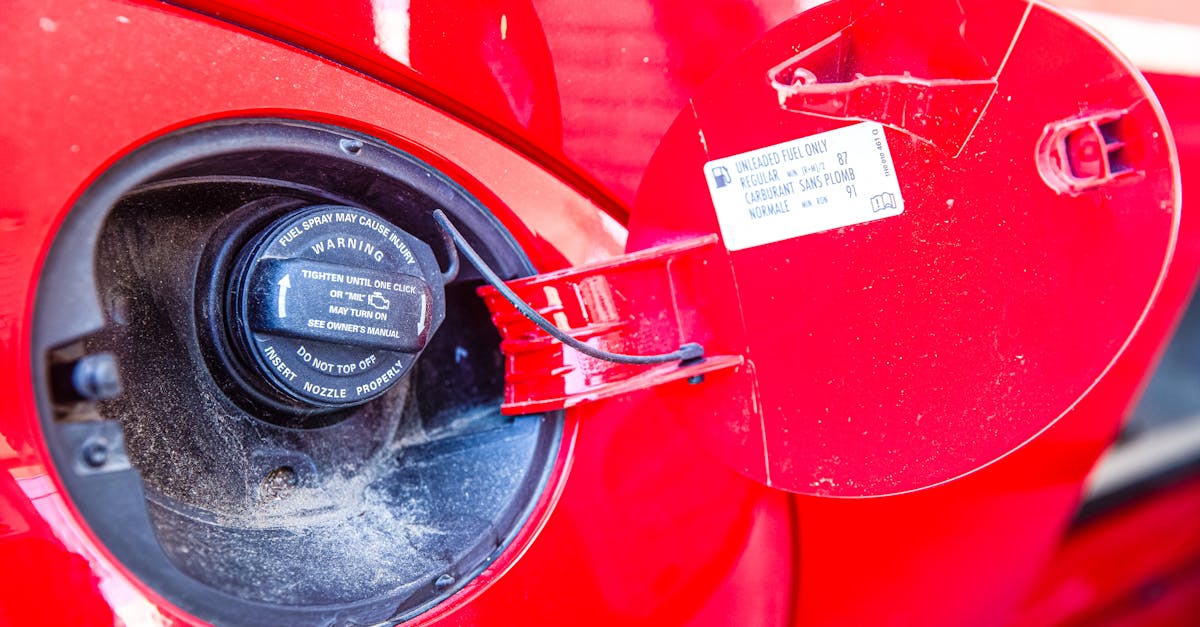
P0455 means: Large Evaporative Emission System Leak Detected. The EVAP system can't hold pressure — typically a leak of 0.040 inch (1mm) or larger somewhere in the fuel vapor recovery system.
Most common fix: 50% = loose / aged gas cap ($10–$25). 25% = cracked or disconnected EVAP hose. 15% = failing purge valve or vent valve. 10% = cracked charcoal canister.
Fast first test: Tighten or replace the gas cap. Drive 50 miles. If P0455 doesn't return, you're done — total cost $0–$25.
P0455 is one of the easiest Check Engine codes to fix yourself if you start in the right place. Most P0455s come down to a $15 gas cap or a cracked rubber hose under the hood. Avoid any shop that quotes you a $400 EVAP smoke test before you've tried the gas cap — you can do that yourself in 10 seconds.
In this guide:
What P0455 Means
P0455 reads as "Evaporative Emission System Leak Detected (Large Leak)". The EVAP (evaporative emission) system captures fuel vapors from the gas tank and routes them to the engine to be burned, instead of letting them escape into the atmosphere. The system periodically tests itself for leaks by sealing closed and checking pressure.
If pressure drops faster than expected, the ECU calculates the leak size:
- P0440 = General EVAP malfunction
- P0442 = Small leak (0.020 inch)
- P0455 = Large leak (0.040 inch or larger)
- P0456 = Very small leak (0.010 inch)
P0455 (large leak) is almost always something physical and easy to find: an open or cracked hose, a missing or loose gas cap, or a hard-failed solenoid valve stuck open.
Symptoms
- Check Engine Light on solid
- Slight gasoline smell from outside the car (vapors escaping)
- Slight loss of fuel economy (1-3% — not noticeable)
- No drivability change — engine runs normally
- No power loss, no rough idle — EVAP doesn't affect engine performance directly
Causes Ranked by Frequency
1. Loose or aged gas cap — 50% of cases
The single most common cause. Either left loose after fueling, or the rubber seal has hardened with age. Replace caps older than 5 years. $10-$25 from any auto parts store.
2. Cracked or disconnected EVAP hose — 25% of cases
Rubber hoses connecting the gas tank → charcoal canister → purge valve → engine. Hoses crack from heat cycling and age, especially around the engine bay. Inspect visually for splits, missing clamps, or disconnected fittings.
3. Failing purge valve solenoid — 10% of cases
The purge valve opens to let vapors flow from the canister to the engine. If stuck open, vapors escape through the engine when it's off. Located on or near the intake manifold. $20-$60 part.
4. Failing vent valve solenoid — 5% of cases
The vent valve allows fresh air into the canister to displace purged vapors. If stuck open, the system can't hold pressure. Usually located near the gas tank or on the canister itself. $30-$80 part.
5. Cracked charcoal canister — 5% of cases
Plastic canister cracks from age or impact (especially on cars in salt-belt states). $80-$200 part.
6. Damaged fuel filler neck — 3% of cases
Crack or rust in the metal pipe between the gas cap and the tank. Common on older sedans/trucks past 150,000 miles in salt regions.
7. Bad EVAP purge solenoid wiring — 2% of cases
Open wiring or corroded connector at the purge solenoid. Easy to test with a multimeter.
Step-by-Step Diagnosis (Right Order)
- Tighten or replace the gas cap. Most caps tighten until 3 audible clicks. If the seal looks worn or cracked, replace ($10-$25). Drive 50 miles of mixed cycles. If P0455 doesn't return — you're done.
- Visually inspect EVAP hoses under the hood. Trace from the engine intake → purge valve → forward to the firewall. Look for splits, disconnected fittings, missing clamps. Most cracks happen on the hose ends near clamps.
- Inspect the charcoal canister (usually mounted near the gas tank or on the rear chassis). Look for cracks or impact damage.
- Test the purge valve solenoid with a vacuum pump and multimeter. Should hold vacuum when closed, release when 12V is applied.
- Test the vent valve solenoid similarly.
- Smoke test the EVAP system if all the above are clean. A smoke machine ($150-$400 to buy, ~$80 at most shops) injects smoke into the system and you visually find where it escapes. This is the gold standard for finding small leaks but overkill for P0455 (large leak).
Repair Cost Breakdown
| Fix | DIY cost | Shop cost |
| Gas cap replacement | $10-$25 | $30-$60 |
| EVAP hose replacement | $10-$30 | $80-$160 |
| Purge valve solenoid | $20-$60 | $120-$240 |
| Vent valve solenoid | $30-$80 | $140-$280 |
| Charcoal canister | $80-$200 | $280-$500 |
| Fuel filler neck | $60-$150 | $280-$600 |
| Smoke test (diagnostic only) | $0 (with $150 smoke machine purchase) | $80-$160 |
Frequently Asked Questions
Can I drive with P0455?
Yes, indefinitely. P0455 doesn't affect drivability or engine performance. The downside: you'll fail emissions testing in any state with OBD-II inspections, and you're releasing fuel vapors into the air (small environmental impact, larger smell).
Will P0455 fail emissions testing?
Yes in OBD-II markets. Active P0455 = automatic fail. Code must be cleared and not return after a full drive cycle (typically 50+ miles) to pass.
Why does P0455 only appear when my gas tank is full or empty?
The EVAP self-test only runs at certain fuel levels (typically 15-85% full). If your code only appears at extremes, the test is being affected by fuel level — usually pointing to vent valve issues.
Will premium gas help fix P0455?
No. Fuel grade has no effect on EVAP system. P0455 is mechanical/seal failure, not fuel quality.
What's the difference between P0455 and P0442?
P0455 = large leak (0.040 inch+). P0442 = small leak (0.020 inch). Same system, different leak sizes. P0455 usually = obvious physical issue (loose cap, missing hose). P0442 usually = small crack, requires smoke test to find.
Can I just clear the code with a scanner without fixing it?
Temporarily yes. But the code returns within 1-3 drive cycles once the EVAP self-test runs again. And if you're trying to pass emissions, the test won't pass without the readiness monitors completing — which take 50+ miles of driving.
Is P0455 covered under any warranty?
Yes — federal emissions warranty covers EVAP components for 8 years / 80,000 miles in the US (catalytic converter, ECU, and certain emissions parts). Loose gas cap and hose damage from age are not covered, but failed solenoids and the canister itself often are. Worth checking your manufacturer.
Related OBD Guides
- P0420 — Catalyst Efficiency
- P0300 — Random Misfire
- P0171 — System Too Lean
- C0561 — Traction Control
- U0100 — Lost Comm With ECM
🔧 Try our free OBD-II Code Lookup Tool — search 38+ codes instantly, see top causes ranked by frequency, and get the most-common fix in 5 seconds. Open the tool →